FDAS Planning: A Practical Buyer’s Guide for Building Owners in Pampanga & Central Luzon
# FDAS Planning: A Practical Buyer’s Guide for Building Owners in Pampanga & Central Luzon
FDAS planning is not just choosing a panel, counting smoke detectors, and asking for the lowest package price. For a building owner in Pampanga or Central Luzon, the better starting point is the building itself: occupancy, layout, fire risk, daily operations, renovation plans, and the documentation needed for inspection and maintenance.
North Point Safety’s FDAS service page describes both addressable and conventional systems, plus design, installation, testing, maintenance, and BFP documentation support. That is the right frame for this decision. A fire detection and alarm system should be treated as a coordinated life-safety system, not a shopping list of devices.
## Start With The Building Use
A warehouse in San Fernando, a school in Angeles, a clinic in Mabalacat, and a mixed-use property in Clark will not need the same FDAS layout. Before comparing quotations, define how the building is used:
– Normal operating hours and night-time occupancy
– Rooms with cooking, electrical, storage, mechanical, or high-dust conditions
– Ceiling height, partitions, corridors, mezzanines, and future tenant fit-outs
– Areas where alarms must be heard clearly
– Interfaces with sprinklers, suppression, elevators, access control, or building management systems
This first step prevents a common problem: a supplier designs around a generic floor area instead of the actual risk areas. If the proposal does not ask about occupancy and layout, the detector count may look complete on paper but still leave blind spots or nuisance alarm locations.
## Match Detector Zones To Real Response
Good FDAS planning helps people respond quickly. In a small building, a conventional system may be practical if zones are clear and staff can locate the affected area fast. In a larger or multi-floor property, an addressable system can identify the specific initiating device, which may reduce response time and confusion.
The decision should not be based on prestige alone. Ask how the proposed zoning will appear on the panel, who will read it, and how guards or facility staff will verify the alarm. A zone label such as “second floor east storage” is more useful than a vague label that only the installer understands.
For Pampanga facilities with warehouses, commercial kitchens, clinics, or rented units, also check whether the layout may change. A system that is difficult to expand can become expensive when a tenant adds partitions, storage racks, production equipment, or new rooms.
## Check The Field Conditions Before Finalizing The Scope
FDAS equipment lives in real building conditions. Heat, humidity, dust, insects, vibration, unstable power, roof leaks, and poorly protected cable routes can all affect reliability. A site visit should check:
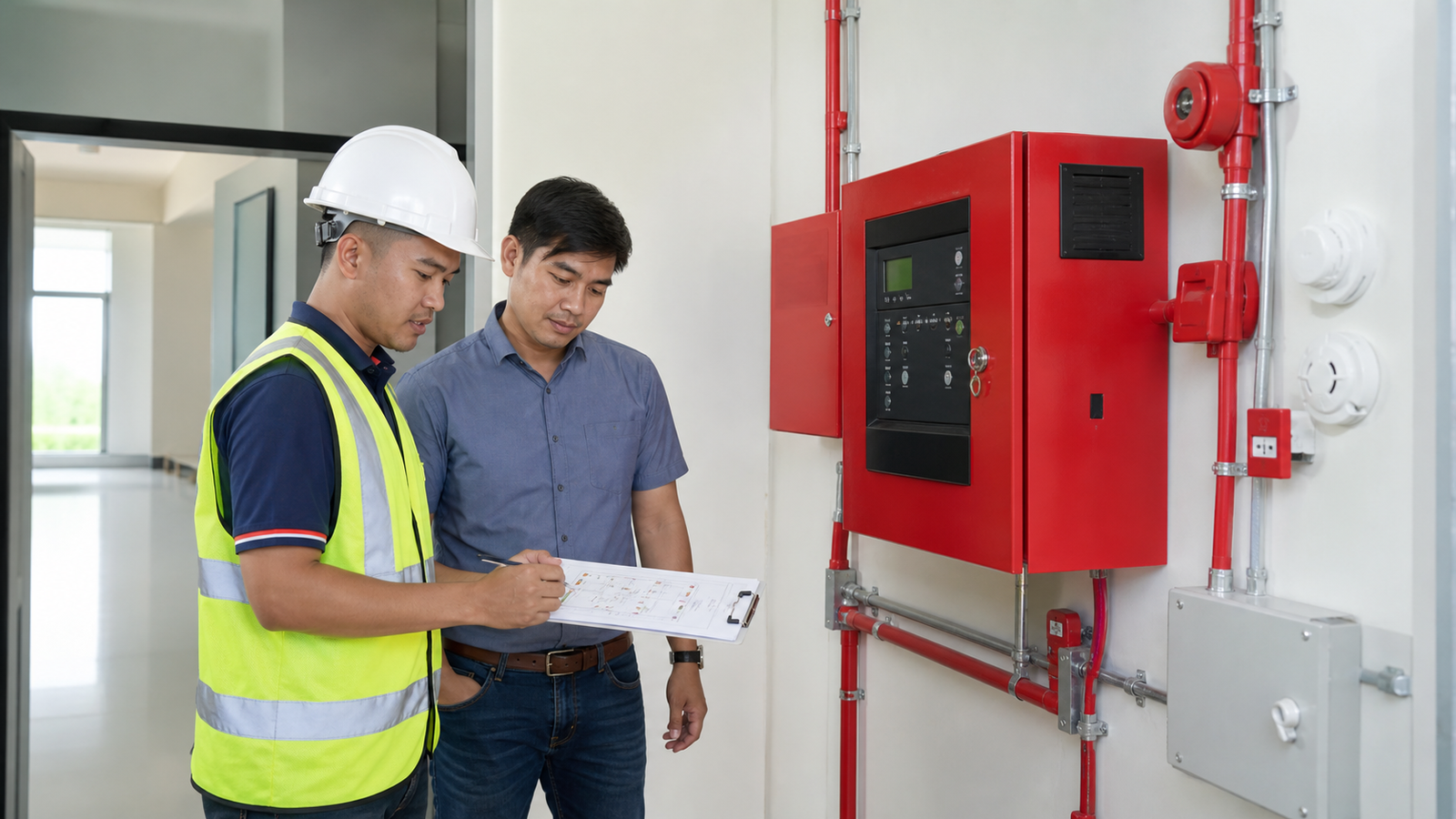
– Panel location, access, and power supply
– Cable pathways and protection from water or mechanical damage
– Detector placement near air-conditioning supply, high ceilings, cooking areas, or dusty work zones
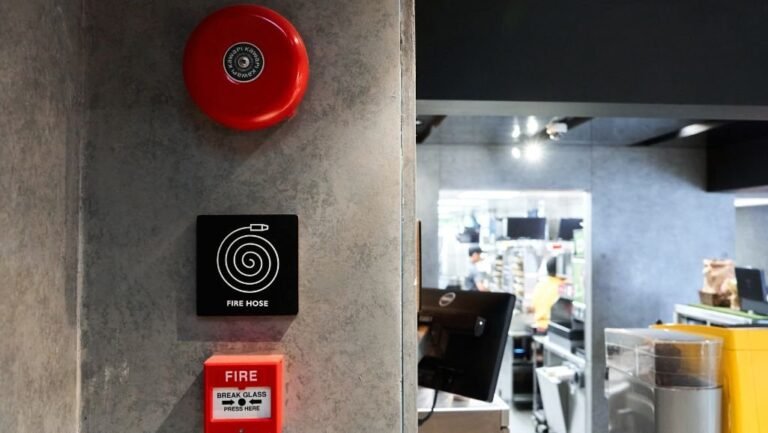
– Manual call point and notification appliance visibility
– Battery backup and panel capacity
– Existing devices that can be reused only after testing
Do not approve a final quotation that depends on assumptions. If the contractor has not inspected ceiling conditions, risers, panel space, and route access, the price may change after work starts.
## Compare The Design, Not Just The Device Count
Two FDAS proposals can list the same number of detectors and still be very different. A useful comparison should show the system type, panel capacity, device locations, zone or address strategy, cable and conduit method, power provisions, testing scope, handover documents, and exclusions.
Ask these questions before approval:
– What areas are covered, and what areas are excluded?
– Which devices are smoke, heat, manual, sounder, strobe, or interface modules?
– How will the system be tested before turnover?
– What documents will be provided for BFP review or owner records?
– What maintenance schedule is recommended after installation?
– Who responds if the panel shows a trouble signal?
Avoid vague phrases such as “standard installation” unless the supplier defines exactly what is included. Clear scope protects both the owner and the installer.
## Plan For BFP Documentation Without Overpromising
RA 9514 is the legal basis for the Revised Fire Code of the Philippines. The Bureau of Fire Protection is the authority that inspects and enforces fire safety requirements. A contractor can help prepare plans, reports, test records, and turnover documents, but no supplier should guarantee an inspection result before the actual site is reviewed by the authority having jurisdiction.
For FDAS, keep a clean turnover file with the approved scope, device list, panel details, layout, test results, as-built notes, warranties, service contacts, and maintenance records. North Point’s own FDAS page emphasizes full documentation and maintenance support, which matters because the owner will need records long after installation day.
## Think About Maintenance Before The First Alarm
FDAS failures often start small: dirty detectors, weak batteries, damaged cable, missing labels, silenced trouble signals, or staff who do not know what the panel means. The owner should assign a responsible person to check the panel, protect the key, keep records, and call for service when a fault appears.
North Point’s maintenance articles also connect preventive servicing with Fire Safety Maintenance Report preparation. That is important for buildings renewing permits or preparing for inspection. Maintenance should include device testing, panel checks, battery condition, visual inspection, correction of trouble signals, and documentation of findings.
## A Practical Buying Sequence
Use this sequence before signing:
1. Share floor plans, occupancy details, and known fire-risk areas.
2. Request a site assessment before final pricing.
3. Review detector locations, zone labels, cable routes, and panel capacity.
4. Ask for a written list of inclusions and exclusions.
5. Confirm testing, turnover records, and maintenance support.
6. Keep all documents in one owner-controlled file.
## When To Ask North Point For Help
If your building is due for renovation, business permit renewal, tenant turnover, or BFP preparation, do not wait until the inspection week to review the FDAS. A rushed repair can fix visible defects while missing design issues that require planning.
North Point Safety can inspect the actual site, explain whether conventional or addressable FDAS is more practical, prepare a clearer scope, and coordinate documentation for Pampanga and Central Luzon building owners. Request a free site inspection or consultation, then use the written findings to compare proposals with fewer assumptions.