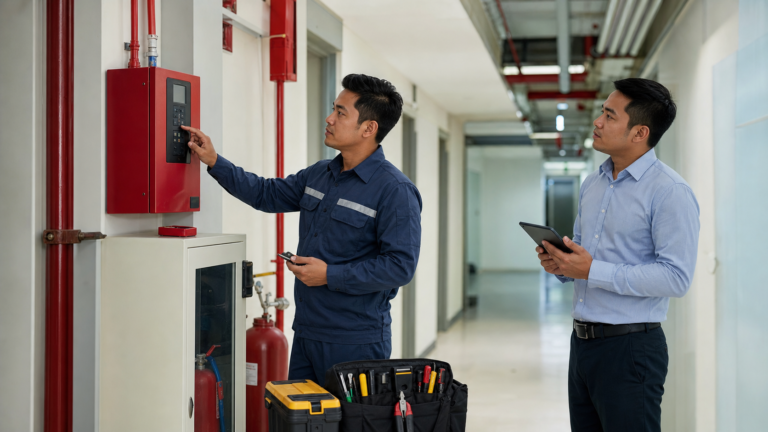
Fire Pump Testing Checklist for Facility Managers in Pampanga & Central Luzon
Fire pump testing is not a button-pressing exercise. For facility managers in Pampanga and Central Luzon, the real value is learning whether the pump room, water supply, valves, controller, gauges, drainage, records, and response plan are ready enough to support the building’s fire protection system.
A useful test connects equipment performance with building readiness. It should not end with a vague note that the pump ran. At North Point Safety, we review the pump alongside the connected fire protection system and maintenance records.
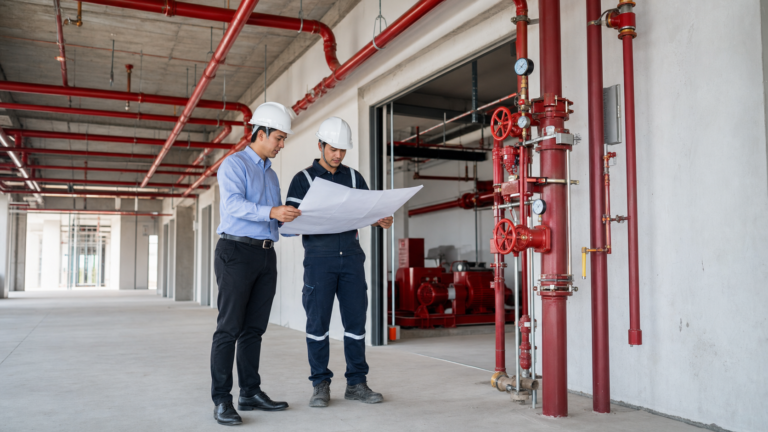
Prepare The Pump Room Before The Test
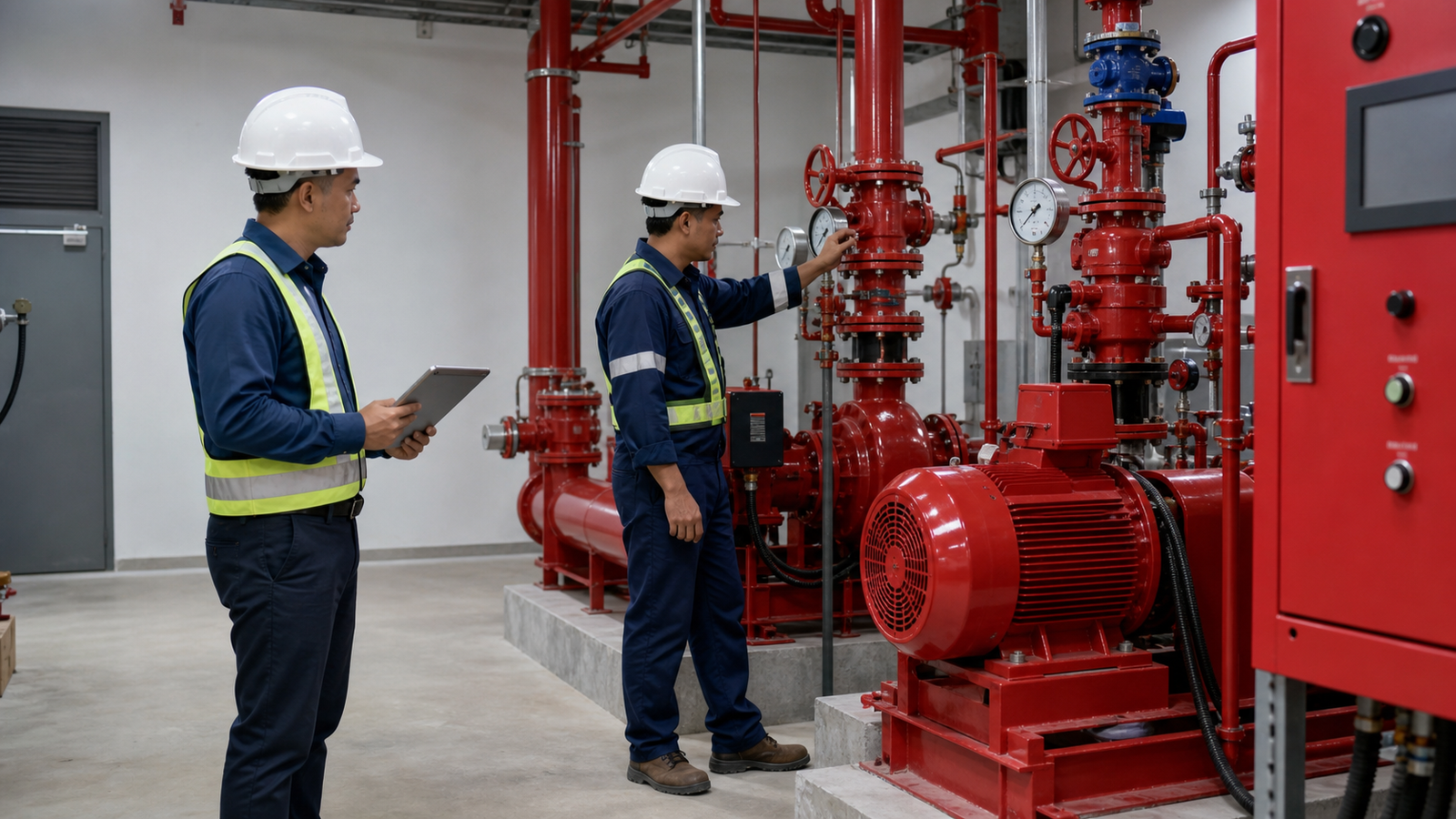
Start with access. The pump room should not be used as storage, a janitorial area, or a place to hide spare construction materials. Technicians need room to reach valves, gauges, controllers, drains, and pump components safely. Security, engineering, tenants, and building administration should know when the test will happen and who is allowed to operate or observe equipment.
Before the technician arrives, check simple conditions:
- Is the pump room door accessible and unlocked for authorized staff?
- Are suction and discharge valves visible and reachable?
- Are gauges present and not obviously damaged?
- Is drainage or test-water routing discussed in advance?
- Are electrical panels and controllers protected from casual tampering?
- Are previous service reports and deficiency notes available?
A clean pump room does not prove performance, but a messy one often reveals the maintenance culture around the system.
Know What Kind Of Test Is Being Performed
Facility managers do not need to conduct the technical test themselves, but they should understand the purpose. Ask whether the visit is a routine visual check, controller review, no-flow/churn observation, flow-related test, repair verification, annual maintenance support, or investigation of a reported fault. The scope affects who must be present, whether water discharge must be managed, and what records should be produced.
NFPA 25 is the common standards reference for inspection, testing, and maintenance of water-based fire protection systems. RA 9514 gives the BFP inspection and enforcement role in the Philippines. Final requirements still depend on the authority having jurisdiction, the installed system, and the qualified provider’s assessment. Avoid translating a standards reference into a promise that every building needs the same test in the same way.
Watch The Conditions Around The Pump
During the test, observe the support conditions, not only the pump sound. A pump may start while other issues remain unresolved. Facility managers should note unusual vibration, heat, odor, repeated alarms, fluctuating pressure readings, water leaks, blocked ventilation, weak lighting, poor housekeeping, or communication gaps between the pump room and guard post.
Also check whether staff know what to do if the controller indicates trouble. If the only person who understands the pump room is an outside technician, the facility is vulnerable between service visits. Security and engineering teams should know how to report abnormal conditions without attempting unauthorized repairs.
Plan Water Discharge And Business Disruption
Fire pump testing can affect normal operations if it involves water movement, noise, access control, pressure changes, or coordination with other fire protection components. In a San Fernando warehouse, Angeles mall space, Clark office, or Mabalacat production building, the facility manager may need to coordinate with tenants, guards, cleaning teams, and building administrators before work begins.
Ask in advance where test water may go, which areas technicians need to access, whether alarm monitoring or FDAS interfaces could be affected, and whether any impairment needs to be documented. If testing requires temporary changes to normal fire protection readiness, those changes should be controlled, communicated, and restored promptly.
Connect Pump Testing To Sprinklers And Standpipes
A fire pump is not an isolated machine. It supports downstream systems such as sprinklers, standpipes, hydrants, hose cabinets, or other water-based protection. Testing should therefore be reviewed alongside valves, gauges, supervisory devices, drains, pump controls, and any interface with the fire alarm system.
Fire pumps form part of the larger fire protection system. Facility managers should keep that whole-system view. A pump that is serviced while valves are blocked, gauges unreadable, or records missing still leaves the building with unanswered questions.
Turn Results Into Corrective Action
The most useful test report is specific. It should say what was checked, what readings or observations were recorded, what defects were found, what was corrected, what remains open, and what follow-up is recommended. If the report uses broad wording such as “for repair” or “monitor condition,” ask for a clearer next step.
Create a simple deficiency log with owner, target date, evidence of closure, and reference to the service report. This helps prevent the same note from appearing month after month without action. It also makes FSMR preparation easier because maintenance history is already organized.
Review Changes Since The Last Test
Pump readiness can change after building work. Renovations may alter piping, drainage, ventilation, electrical supply, or access routes. A tenant fit-out may block a valve room. A warehouse expansion may add fire load or change sprinkler demand assumptions. A previous repair may leave temporary labels or undocumented settings.
After any construction, tenant turnover, major repair, or recurring trouble signal, ask whether the fire pump and connected systems need another professional review. Waiting until BFP inspection week can compress a manageable maintenance item into an urgent compliance problem.
Facility Manager’s Fire Pump Checklist
Use this before and during scheduled pump testing:
- Clear the pump room and confirm authorized access.
- Gather previous reports, deficiency notes, and repair records.
- Ask the technician to define the test scope in plain language.
- Coordinate water discharge, noise, tenant access, and alarm interfaces.
- Observe gauges, valves, controller behavior, leaks, vibration, and housekeeping.
- Confirm that normal readiness is restored after the test.
- Convert every deficiency into an assigned corrective action.
- Store reports with photos, dates, observations, and closure evidence.
Get More Than A Pass-Fail Note
A fire pump test should give the facility manager usable information. It should clarify whether the pump room is accessible, whether supporting components are in serviceable condition, whether staff know how to report problems, and whether records are good enough for maintenance planning.
North Point Safety can inspect fire pump conditions, coordinate practical testing, review connected sprinkler or standpipe concerns, and prepare clearer documentation for Pampanga and Central Luzon buildings. Request a free site visit before a pump fault, renovation, or BFP preparation deadline turns a routine check into a compressed repair job.
Have qualified personnel perform testing and manage any temporary system impairment. Do not change controller settings or valve positions to follow a general online checklist. See our fire protection services or contact North Point Safety to arrange a review.
FAQs
What should facility managers prepare before fire pump testing? Clear pump-room access, gather previous reports, coordinate with security or tenants, and ask the technician to define the test scope before work begins.
Is fire pump testing only about whether the pump starts? No. Useful testing also reviews valves, gauges, controller behavior, water movement, abnormal conditions, records, and unresolved defects.
What standard is commonly referenced for fire pump maintenance? NFPA 25 is commonly referenced for inspection, testing, and maintenance of water-based fire protection systems, subject to local BFP/AHJ requirements.
When should a pump be reviewed outside the normal schedule? Request review after repairs, renovations, recurring trouble signals, pump-room access changes, water supply concerns, or before BFP preparation.